
Clumping litter vs. silica crystals
Two technologies. Same job. Completely different approach. Here’s what actually changes when you switch from one to the other.


I work at a cat rescue. I’ve gone through more litter than most people drink coffee. Clumping, every brand, every ‘improved formula’ — for years, that’s just how it was. You don’t question litter. You buy it, you pour it, you scoop, you try not to think about it too much.
Then one day, we were sent silica crystal litter to trial — and within a week, I caught myself thinking… hang on. This isn’t the same thing at all. It isn’t a ‘better litter’. It’s a completely different system doing the same job in a completely different way.
And I realised no one had ever explained that to me. Not the packaging. Not the pet shop. Not the internet.
So I wrote the page I wish I’d found back then. Here’s how each one actually works.
How it works

Clumping litter (Bentonite)
The cat wees. The clay absorbs the liquid. A clump forms. You scoop it out. You top up with fresh litter. And you start again tomorrow.
The whole system relies on you. Miss a scoop, and the urine sits there. As the clump dries, it releases water — but the water doesn’t leave on its own. Ammonia and odour molecules evaporate with it. That’s where the smell comes from. The clay doesn’t separate the two — it all rises into the air together.
Silica crystals (Pacha)
A completely different principle.
Silica gel doesn’t absorb like a sponge — it adsorbs. The crystals are full of micropores that trap heavy molecules: ammonia, odour compounds, VOCs. Those stay locked in.
The water? It evaporates. Straight off the surface. Water molecules need very little energy to leave the crystal — far less than would be needed to release the trapped odour compounds. So the smell stays in. The moisture… goes.
That’s why the surface stays dry. Not because the liquid is hidden in a clump somewhere. Because the water has actually gone, and the odour is actually locked in.
No clump. No wet zone. No residue welded to the bottom of the tray. The silica pulls in the moisture and lets it evaporate — so there’s no damp pocket sitting at the bottom of the tray. Bacteria need moisture to grow. No moisture, nowhere to multiply.
You scoop the solids, give it a stir now and then, change the whole tray after about 30 days.
“Clumping litter contains the problem — liquid trapped in a damp clump you have to remove. Silica crystals separate the problem — they trap the smell, and let the water go.”
Odour — the biggest gap

Clumping litter
Clumping litter doesn’t neutralise ammonia. It just holds it inside the clump. When the clump is fresh and intact, fine. But ammonia builds up between scoops. The clumps crack. The smell comes back.
The solution? Most brands add fragrance. Lavender. ‘Sea breeze.’ Whatever.
Your cat has around 80 million olfactory receptors — about 14 times more than you.¹ Their nose doesn’t just smell more — it separates more, like a molecular chromatograph with 100 times your separating power.² A study of cats with house-soiling issues found that 68% of them had scented litter at home — a statistically significant association.³ International veterinary guidelines now consistently recommend unscented litter.⁴ Pacha contains no added fragrance.
Silica crystals (Pacha)
A measurement published in the Journal of Chemical Education (2025) shows that silica gel adsorbs up to 15.0 mg of ammonia per gram, compared with 3.6 to 8.2 mg/g for bentonite under equivalent conditions. That’s 2 to 4 times the capacity.⁵
No added fragrance. Odour control comes from the material itself, not something sprayed on top.
“Honestly — when we made the switch at the rescue, I kept walking into the cat room thinking something was off. It was too quiet. Smell-wise, I mean. Just… nothing. Not ‘lavender masking cat wee’ nothing. Actual nothing. With multiple cats. That had never happened before.”
In practice: with clumping litter, odour control depends on how often you scoop. With silica crystals, the crystals do the work whether you’re there or not.
No odour. No fragrance. No doubt.
One bag. 30 days. Delivered to your door.
Claim the Halloween offer →What your cat actually thinks

Your cat isn’t going to fill in a survey. But they’ll show you. A cat who digs willingly, covers without hesitation, and doesn’t bolt the moment they’re done — that cat is comfortable. A cat who shakes their paws, perches on the edge, or rushes through as fast as possible — that cat is putting up with it.
Researchers have put numbers on this.
Texture
Cats prefer fine-grain litter by more than two to one over coarse options.⁶ A 2025 study confirmed it — fine litter was chosen 258 times to 66 for coarser alternatives.⁷
Pacha crystals are fine and sand-like. Clumping litter varies — some brands are fine, others are thick granules.
Wet surfaces
This matters more than people think. Research shows that physical aversion to a wet surface is a bigger factor than odour when a cat avoids the tray.⁸
Clumping litter forms a damp, sticky zone around fresh urine before the clump sets. If your cat steps in it during that window, they feel it. Silica crystals stay dry — because water evaporates off the surface rather than sitting there.
The smell (from the cat’s perspective)
Residual ammonia, fragrance chemicals, urinary compounds that have broken down overnight — you might not notice. Your cat does. Every single time they step into the tray.
Dust

Clumping litter
Bentonite creates dust. When you pour. When your cat digs. When you scoop. The amount varies by brand, but it’s inherent to the material. Fine clay particles disperse into the air.
About crystalline silica — bentonite naturally contains crystalline silica. Inhalation of crystalline silica dust is classified Group 1 by IARC, based on studies of intensive occupational exposure. That classification has not been established for domestic use.⁹
Silica crystals (Pacha)
As close to zero dust as it gets. The silica gel used in litter is amorphous silica — a different physical form to crystalline silica. Amorphous silica is not classified in the same way. The crystals also don’t break down into fine particles like clay does, so dust production stays minimal across the tray’s whole lifespan.
You know that cloud when you pour clay into the tray? That doesn’t happen.
“Cats dig and breathe at tray level. You pour and scoop from above. Less dust is better for both. Simple as that.”
Lifespan

Clumping litter
Daily scooping. Twice a day ideally. Every clump you remove takes some litter volume with it, so you’re constantly topping up. Most people do a full change every 10 to 14 days. Sometimes sooner, once it starts to smell.
A bag goes faster than you’d think because you’re binning some of it every day.
Silica crystals (Pacha)
Because silica gel adsorbs rather than clumps, the material stays in the tray. Nothing is removed except the solids. One fill lasts about 30 days for one cat.
On the budget side: Silica gel costs more per bag. But one bag lasts 2 to 4 times longer. Do the maths by the month, not by the bag — the difference often surprises people.
One bag a month. Delivered to your door.
Flexible subscription · Pause or cancel online in 2 minutes · No commitment
Claim the Halloween offer →Health detection

Both technologies give you something here. Different things.
Clumping litter
In theory, clumps are data. Veterinary guidelines now recommend monitoring clump size — bigger clumps may suggest kidney problems or diabetes, lots of small ones may indicate a urinary infection or cystitis.¹⁰
In practice? Most people scoop on autopilot. You’d need to notice a gradual change in size over days or weeks, in a dark tray, with dark clumps. Helpful if you’re paying very close attention — but most of us aren’t.
What clumping litter definitely can’t show you: blood in the urine (the dark material makes it much harder to see) and pH changes (invisible in clay).
Silica crystals (Pacha)
Right, this is the part that genuinely stopped me in my tracks. The litter can actually flag possible health concerns. Not diagnose anything — but give you a visible ‘hang on, something might be off’ that you’d never get from dark clay. The crystals are white and clear, so changes show.
Normal
Healthy urine turns the crystals yellow. That’s your baseline.
pH change
May signal struvite crystals, urinary infections or cystitis.
Blood
Visible immediately against white.
“Both are detection, not diagnosis. Unusual clumps or a colour change mean the same thing: call your vet. This is a safety net between visits — not a replacement.”
To put the stakes in context: according to Boyd et al. (2008, J. Vet. Intern. Med.), cats diagnosed at stage II chronic kidney disease have a median survival of 1,151 days, compared with 103 days at stage IV. Early detection changes the picture.
Detection, not diagnosis. See your vet to confirm.
Daily routine
Both steps take 45 seconds a day.
Less scooping. Fewer bin bags. Less scrubbing. More time between full changes.
Weight

Bentonite is dense. Anyone who’s carried a bag of clumping litter up a flight of stairs knows it.
Silica crystals are noticeably lighter for the same tray volume. Lighter to carry, lighter to pour, lighter to bin.
If you don’t have a car, if you live in a top-floor flat, or if you simply don’t fancy lugging 10 kilos of clay home — it adds up.
Quick comparison
| Silica crystals (Pacha) | Clumping litter | |
|---|---|---|
| Mechanism | Adsorbs odours, water evaporates | Absorbs liquid → clumps |
| Odour control | Molecular adsorption, no fragrance | Contained in clump + fragrance |
| NH₃ capacity | 15.0 mg/g | 3.6–8.2 mg/g |
| Surface | Stays dry | Wet zone around fresh urine |
| Dust | Close to 0 dust | Variable, inherent to clay |
| Lifespan | ~30 days (2–4x longer) | ~10–14 days |
| Maintenance | Scoop solids + stir + monthly change | Daily scooping + top-up + full change |
| Weight | Light | Heavy |
| Health signals | pH colour change + visible blood | Clump size |
| Visual confirmation | Yellow crystals = the cat used it | Clump = the cat used it |
| Fragrance | None | Usually added |
| Cat texture preference | Coarse sand | Varies by brand |
The real trade-offs

Nothing is perfect. Here’s what each side genuinely has going for it.
Where clumping litter wins:
- Everyone knows it. You’ve used it, your parents used it. Zero adjustment period.
- Sold everywhere. Every supermarket, every price bracket.
- Clump size = health data. Changes in volume can signal kidney issues, diabetes, urinary infections — now formally recommended for monitoring.¹⁰
- Cheaper per bag. The unit cost is lower — though monthly cost can be similar or higher given the shorter lifespan.
Where silica crystals (Pacha) win:
- Odour control. Significantly more ammonia captured per gram. No fragrance masking.
- Health visibility. pH changes and blood are visible — impossible with dark clay.
- Less work. Less scooping, more time between full changes.
- Close to 0 dust. Crystals don’t break down like clay.
- Cat comfort. Dry surface, fine texture, no added fragrance.
- Lasts 2–4x longer. One fill, one month.
- Delivered to your door. No supermarket trips, no bags to lug home. Subscribe and it turns up every month without you thinking about it. Off on holiday? Pause or cancel whenever — no hassle.
3 weeks in and this is the best litter I’ve ever used. No smell and minimal tracking. It’s honestly amazing — will never go back.
No more smells! I was sceptical that one bag of litter would last a whole month and have no odours. It flipping well works. Highly recommend.
This cat litter is a game changer. It doesn’t smell, and only needs changing once a month. Much prefer it, and so easy with the subscription. My cat loves it too.
The cat litter is very good. My last cat litter would go everywhere when the cat got out of the tray, and it was heavy to empty every few days. I like the way you only have to empty it once a month and it’s easy to scoop the poo out. My cat used it straight away when I changed over.
I tried this after seeing it advertised, having gone through many other products on the market. This is game-changing. So easy to manage — takes me minutes to sort two trays rather than cleaning them out constantly. It’s brilliant. Would highly recommend.
Very easy to use. Just remove solid waste with a poop scoop, wait for the liquid to be fully absorbed, then give it a stir. No smell, no clumping, less in the bin.
I used to use wood pellets litter, and I started to struggle with the frequency it needed to be changed due to some disabilities I have. As well as that, the smell was never contained in the litter. Since switching to Pacha, I have a lot less burden on me physically — you just clear out the lumps and stir, it’s a lot less messy than the wood pellets, and there’s never a smell!
I’m very impressed with Pacha. It’s not like any other cat litter I’ve tried and it lasted a full month before needing to be replaced. My cat also seems very happy with it!
If you’re thinking of switching
“Do it gradually. Mix Pacha crystals with your current litter — start 25/75, then shift the ratio over 7 to 10 days. Cats are creatures of habit. A sudden change in texture can cause temporary tray avoidance that has nothing to do with the new litter itself.”
“The empty-tray feeling is normal. You’ll look into the tray and think nothing has happened. That’s the point. The liquid is inside the crystals, not on the surface. You’ll see them gradually turn yellow and opaque as they saturate. That’s how you know it’s working.”
One more thing — not all silica crystals are equal

Right, so you’re sold on silica crystals. Brilliant. But they’re not all the same.
Think of each crystal as a sponge full of tiny holes — the micropores. That’s where all the odour and moisture get trapped. Most silica litters only dry their crystals partially, so those pores are already half full before your cat even uses them. Half the capacity, half the lifespan. That’s why some bags claim ‘2 weeks’ and you wonder what happened.
Pacha oven-dries every single crystal fully — a step that maximises the absorption capacity available from the very first use. That’s your 30 days.
And remember the dust section above? ‘Close to zero dust’ isn’t a silica-crystals-in-general thing — it’s a Pacha thing. Cheaper silica litters can be surprisingly dusty. Which rather defeats the point.
On top of that, you get a coarse-sand texture rather than big rolling beads, and a built-in health detection most silica litters don’t have. Pacha is also independently owned with no outside investors — which means the team can keep making expensive manufacturing choices, simply because those choices improve quality.
Try it risk-free
Pacha litter isn’t for you? Let us know in just a few clicks within 30 days of delivery. We’ll refund you, no questions asked, and you don’t need to send anything back. Keep whatever’s left in the bag.
Try Pacha →Here's how to cancel in 2 minutes
No need to send a single email or call anyone. You stop your subscription yourself, from your phone:
- 1 Log in
- 2 Edit
- 3 Cancel
- 4 Confirm
And that's it.

If you’ve read this far, you’re probably not the ‘just grab anything off the shelf’ type anymore.
It’s delivered to your door, you can subscribe so you never have to think about litter again, and if you need to pause for holidays or anything else, it takes 2 minutes online.
Claim the Halloween offer →Our commitment to rescue centres
£135,000+
in donations since 2025
When we visited the SPA rescue centre in Marennes, France, it was looking after around 70 cats. In summer, that can climb to 140, so they get through litter very quickly. That's why we donate Pacha litter to rescue centres.


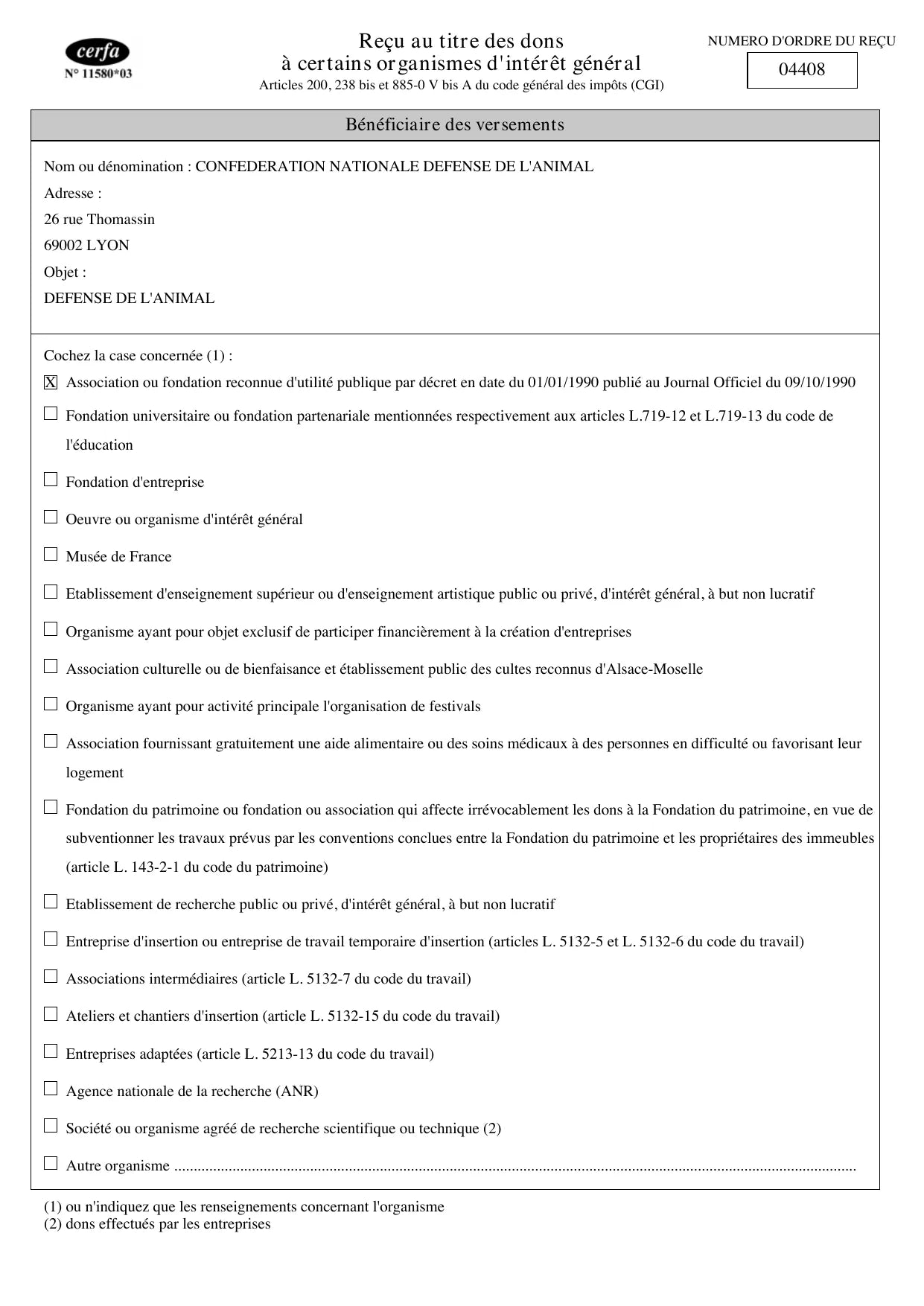
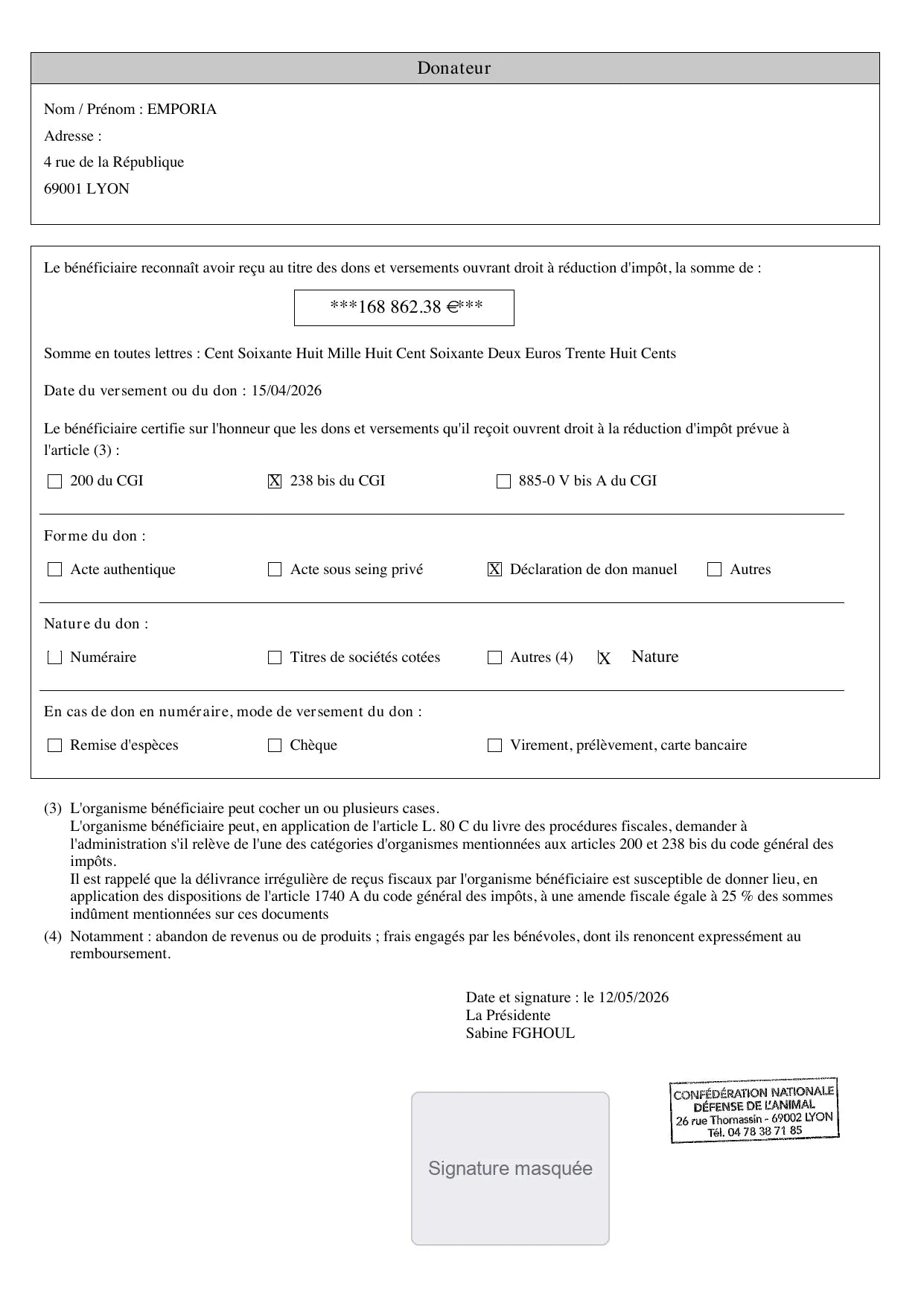
The official receipt for one of our donations
- Charity
- Confédération nationale Défense de l'animal (Lyon), a French charity with official public-interest status
- Amount
- €168,862.38 (around £142,000)
- Type of donation
- Gift in kind
- Date of donation
- 15 April 2026
- Donor
- Emporia, the company behind Pacha
This receipt was issued and signed by the charity that received the donation. The only thing we've hidden is its president's signature. Click on a page to enlarge it.
Order your Pacha litter here in 3 steps
Order your Pacha litter
How many cats do you have?
More than 3 cats?Your offer for 1 cat
Choose your plan
Why over 35,000 cat owners trust Pacha
What our customers say
Reviews reflect individual experiences. Does not replace a vet's diagnosis.

Why Pacha is different
Frequently asked questions
Wait...
The 3-month plan means fewer deliveries and zero stress
- Health detection in every bag
- Free delivery
- Cancel anytime online, in 2 minutes
- 30-day refund if not convinced
🔓 No commitment: Cancel or change at any time, online in 2 minutes
Common questions about Pacha
Everything cat parents ask before they switch — the honest answers.
Will my cat take to it without a fuss?
Most cats adopt Pacha from the very first use. There’s no chemical smell, no dust, and the texture is soft under the paws — nothing to spook them.
If your cat is fussy, scoop a small clump of waste from the old tray into the Pacha tray for the first day. The familiar scent tells them this is the toilet and the transition takes a few hours rather than a few days.
Is silica safe — what if my cat licks or ingests a crystal?
Yes. Pacha crystals are silica gel, the same desiccant used to keep food and medication dry. It’s inert, non-toxic, and the occasional crystal that ends up on a paw passes through the digestive system without being absorbed.
Pacha was co-developed with vets and cat owners specifically to be safe for cats of all ages, including kittens.
How does it actually control odours for a whole month?
Silica gel is highly porous and ultra-absorbent. It pulls urine in, locks the moisture inside the crystals, and dries solid waste so it can’t ferment. Without moisture, the bacteria that produce ammonia and the rotten-eggs odour can’t grow.
You scoop solids daily and stir the crystals — that’s the whole maintenance routine.
“Almost dust-free” — why not zero?
No litter is genuinely 100% dust-free, and any brand claiming otherwise is being economical with the truth. Pacha uses a patented filtration process developed with vets to bring dust to a level so low it’s invisible during pouring — far below clay or traditional clumping litter.
In practice: no white film on the floor, no sneezing from your cat, no respiratory irritation for the household.
Does one bag genuinely last a month?
Yes — one bag of Pacha covers a full month for one cat (active or not). The crystals absorb roughly four times what clay litter holds, which is why a single lightweight bag replaces up to four heavy bags of conventional litter.
For households with two cats, a second bag every month keeps both trays fresh.
Is it more affordable than what I’m using now?
If you tally everything — clumping litter, candles, room sprays, replacement trays — most cat parents end up spending £40–£50 a month. Pacha is £21 a bag, and you stop buying the rest because the smell never builds.
Subscribers who switch to every-3-months delivery save further.
What if my cat hates it?
Pacha’s 30-day satisfaction guarantee means you get a full refund if it doesn’t work for you — and you don’t need to send the bag back. Keep it, use it up, or donate it. This is in addition to your 14-day statutory right to cancel under the Consumer Contracts Regulations 2013.
Is it suitable for all breeds and ages?
Yes. Pacha works for kittens, adults and seniors, neutered or not, male or female, all breeds — Maine Coon, Persian, British Shorthair, Bengal, Ragdoll, Sphynx and every domestic shorthair in between.
How does delivery work — can I pause or change frequency?
Pacha is shipped automatically each month from our Manchester warehouse, free across the UK. You can adjust frequency or pause delivery in two clicks from your account — no commitment, no notice period, no phone call.
Why does the litter change colour?
The crystals shift colour depending on the pH of your cat’s urine. It’s a passive health check — an early signal of possible urinary issues, which cats instinctively try to hide.
It doesn’t replace a vet visit, but it helps you spot when something is changing before the issue becomes serious.
- Choosing a selection results in a full page refresh.
- Opens in a new window.
We use cookies to make the site work and to improve your experience. You’ll find details on each cookie type below.
Cookies marked “necessary” are stored on your browser because they are essential for the site to work.
We use cookies to make the site work and to improve your experience. You’ll find details on each cookie type below.
Cookies marked “necessary” are stored on your browser because they are essential for the site to work.
We also use third-party cookies that help us understand how you use the site, remember your preferences and show you relevant content and ads. These cookies are only stored with your consent.
You can turn each category on or off below. Turning some off may affect how the site works for you.
Necessary cookies are essential for the site to function. Without them, the site won’t work as intended.
These cookies do not store any personally identifiable data.
Functional cookies enable features like social sharing, feedback forms and other third-party integrations.
Analytical cookies help us understand how visitors interact with the site — things like visitor numbers, bounce rate and traffic source.
Performance cookies help us measure how the site performs, so we can keep improving the experience for visitors.
Advertising cookies let us show you relevant ads based on the pages you’ve visited, and measure how well those campaigns perform.
