
I hated scrubbing my cat’s litter tray on my knees every Sunday.
So one day, I’d had enough of clumping litter
Now it takes me under 30 minutes a month. No odours. Here’s how.


The old nightmare
Right. Hear me out.
I volunteer at a cat rescue charity. Trapping. Fostering. Adoptions. So when I tell you I have opinions about cat litter, I’ve earned every single one of them.
For seven years, I used clumping litter. The premium kind. The bargain kind. The one with activated charcoal. The one with scented crystals that smell like a hotel lobby having an identity crisis.
Here’s why I stopped.

The dust cloud
Every time I emptied the bag, I had to open the windows and hold my breath like I was defusing a bomb.
My black sideboard next to the litter tray was grey by the second week.

The grit. Everywhere.
Under the sofa. In the kitchen. Stuck to my socks. I had a hooded litter tray and a mat in front of it.
One day, I found a piece of litter in my mug of tea. I’m not joking.

The 10 kg bag
Every other week. From the supermarket to the car, from the car to the flat, from the flat to the cupboard. It weighs as much as a toddler.
You could find me in the pet aisle, staring it down.

The cement at the bottom of the tray
Clumping litter almost never un-clumps the way the bag promises. It just hardens over time. Like cement, but worse — because the cement is, you know, wee.
I scraped it with a metal scraper. With a kitchen knife. Once — and I promise you this is true — with a tablespoon.

The shower ordeal
Every Sunday, the whole tray went into the shower. Two pints of hot water to shift the last of the residue. Me on my knees on the bathroom tiles. Hands smelling of ammonia for the rest of the day.
I called it The Sunday. Capital letters — it had earned them.

The smell always won
I had activated charcoal sachets. Scented candles. Plug-in air fresheners. Those supermarket gel pots. I was running a discount perfume shop out of my own flat.
My friends still pulled The Face when they walked in. You know the one. The Face.

The money
About £45 a month. Litter, sprays, candles, charcoal sachets, and the tray to replace every now and then when the old one was stained beyond saving.
That’s around £540 a year on a flat that still smelled of cat.

The time
Five minutes a day for the daily scoop. Nothing dramatic — until you do the maths. That part alone is more than a full day of my year.
Then there’s The Sunday. Thirty to forty-five minutes of deep-clean, every week. The bag swap. The scrubbing. The shower ordeal.
Add the supermarket trips and the hoovering around the tray, and you’re looking at more than three full days a year. Spent managing the cat’s litter.
I worked it out once. I never wanted to work it out again.
That was my life. For seven years.
Then I said enough.
The breaking point
The exact day I stopped was a Sunday, in March of last year.
I was on my knees. I had the scraper. I had the spoon in reserve. I was halfway through and my hands smelled of ammonia and I could feel dust at the back of my throat and my cat — my own cat, the traitor — was sitting in the doorway, watching me with the face cats pull when they think you’re overdoing it.
And I just stopped.
I sat down on the bathroom tiles next to my half-cleaned tray and said, out loud, to no one: I can’t do this anymore. I’m never doing this again.
That’s it. That’s the whole moment. No lightning bolt. It was just over for me.
The discovery
A few months before The Sunday, I’d come across a small piece in Felicat about a silica crystal cat litter. The promise: one bag, one tray, thirty days. No topping up. No swapping. No fuss. No odours.
I read it. I rolled my eyes. Sure, I thought. Thirty days. From the same bag. Sure. I forgot about it within the hour.
After my Sunday on the bathroom tiles, I remembered it.

A few days later, the box was on my doorstep.

The first thing — the very first thing, before I’d even opened anything — was that the bag was light. Light enough to hold between two fingers. After seven years of dragging 10 kg bricks home from the supermarket, I almost cried on the doorstep.
Day 1: the first pour
I emptied my old tray (one last Sunday, with the spoon, for old times’ sake), gave it a quick wipe, and poured the Pacha in. About 5 cm deep across the whole base. The crystals look like coarse white sand. They make this clean, crisp sound as they fall.
No dust cloud.
I checked. I actually waved my hand over the tray to be sure. Nothing. My black sideboard next to the litter stayed black — for the first time in seven years.
My cat came to inspect within forty seconds. He stepped in. He sniffed. He looked at me. And then he just… used it. Like he’d been waiting his whole life for someone to finally work it out.
I kept waiting for the catch.
The 30-day stretch
I’m not going to pretend I believed the ‘it lasts a month’ bit. I gave it a week, tops, before I’d be back on the bathroom tiles with the spoon.
Here’s what actually happened:
Poured. No dust. Cat approves. The flat smells of nothing. Still suspicious.
Still no odour. I started leaning over the tray and breathing in on purpose just to check. My partner has noticed. He’s concerned.
My sister came over. She has a bloodhound’s nose and she always — always — clocks the litter tray within ninety seconds of walking in. She didn’t notice a thing. She had two glasses of wine and left without saying anything. I nearly cried.
My new daily routine: scoop the solids, stir the crystals, done. Forty-five seconds. I started timing it because I can’t quite believe my own life.
Bag empty. Changeover day.
And that’s where I stop the list — because what happens next is the part I want to show you in full. The moment that used to ruin my Sundays. The moment I still can’t quite believe, eleven months in. It deserves its own section. Step by step.
Keep scrolling. You have to see this.
Ready to say enough?
Free monthly delivery. No commitment. 30-day money-back guarantee — keep the bag.
Claim the Halloween offer →The changeover
Right. Here’s the full walk-through.
It’s been eleven months of this monthly routine. No magic. No exaggeration. Just a Tuesday morning, eleven months later.

Step 1. Tip the tray.
The whole 30-day tray slides straight into a bin bag. No dust cloud. No need to open the windows. No need to hold my breath like a hostage.
Last year, I needed full chemical-spill protocol for this part.

Step 2. Look at the bottom of the tray.
This is the part I want you to really look at.
Nothing stuck. Nothing welded. Nothing crusted to the base. No cement. No grey plaques. No spoon required.
Last year, this is where I spent forty minutes with a metal scraper.

Step 3. One spray. One wipe. Done.
A quick spritz of cleaning spray, one pass with kitchen roll, and the tray is clean.
No bicarb. No overnight soak. No carrying it to the shower. No two-pint emergency rinse.
Thirty seconds, instead of thirty minutes.

Step 4. The tray still looks brand new.
It’s been eleven months with this same tray. It looks the same age as the day I bought it.
My old trays would start yellowing at the bottom by month three. I’d replace them twice a year because they were stained beyond saving.
Eleven months. Same tray. As if nothing had ever happened.

Step 5. Open the new bag. With two fingers.
It still feels embarrassingly light every single time.
I haven’t got over it.

Step 6. Pour. No dust.
About 5 cm deep across the whole base. The crystals make this clean, crisp sound as they fall.
I check every time. I wave my hand over the tray to be sure. Nothing in the air. Never anything in the air.

Step 7. The cat is already in the tray.
I haven’t even finished levelling the crystals.
He does this every single time. He wins every single time.

Step 8. Total time: four minutes.
Last year, this same job took me forty-five minutes, two pints of water, and a hot shower to recover from.
This year, it took me less time than cooking pasta.
Now multiply that by twelve.
That’s my year of cleaning.
Reader, the promises held up.
Why it actually works
I’m not a chemist. I’m a woman who’s spent twelve years elbow-deep in cat litter. So I’ll keep this short.
There’s a difference between absorbed and adsorbed. One letter. Completely different physics.
When something is absorbed — like water into a sponge — all the molecules are pulled in together and mixed inside the material. Water. Ammonia. The odour molecules. All of it in one wet, mixed-up soup. That’s why a wet sponge is wet on the outside.
And here’s the part nobody tells you. When the water in that soup evaporates, the smell evaporates with it. Because the smell was mixed in with the water — it had nowhere else to go — so it rises up with the water vapour, straight into the air. Into your kitchen. Into your hallway. Into your nose.
That’s why your old clumping litter smells. And here’s the even worse part: it gets worse the longer the litter sits there. Because that warm, damp litter is the perfect environment for bacteria to multiply — and bacteria are the things that make the ammonia in the first place. The longer the litter stays wet, the more bacteria there are, the more ammonia they produce, the worse it smells. This isn’t a stable problem. It’s a problem that actively gets worse, hour by hour.
When something is adsorbed — this is what Pacha does — the molecules don’t mix. They stay stuck to the surface of the microscopic pores inside each crystal, individually, each one in its own little slot. Every molecule gets its own parking space. Nothing mixes.
So here’s what happens, in order, when your cat wees on Pacha:
Step 1. The wee hits the crystal. The odour molecules are pulled into the microscopic pores and stay locked there, one by one. They can’t move. They can’t migrate between crystals. They’re parked there until you throw the bag out thirty days later.
Step 2. The water — no longer carrying any of the odours with it — evaporates freely into the air, like a puddle drying in the sun. The surface stays perfectly dry.
Step 3. And this is the bit that really matters. Because the surface is dry, the bacteria have nowhere to live. They can’t multiply. And if they can’t multiply, they can’t produce ammonia. So the smell doesn’t get worse over time like it does with clumping litter. Hour one smells exactly like day thirty. The bacteria are starving. The ammonia is never made. The bag just keeps doing its job.
That’s the whole trick.
Odours parked. Water gone. Surface dry. Bacteria starved. No ammonia made. No Sunday.
It’s not magic. It’s just better physics — with a bit of biology.
The thing I didn’t see coming
About three months in, something I didn’t see coming happened.
I was doing my forty-five-second morning scoop. Boring. Routine. Then I noticed: the crystals in one corner of the tray had turned a sort of blue-purple. Just one corner. Everywhere else, white.
I dug out the little leaflet that came with the bag (I’d forgotten about it). A change in colour can flag a possible urinary issue — the crystals are clear and white, so they show what dark clumping litter hides completely.
I took my cat to the vet that same afternoon. Caught early. £40 in antibiotics. Done.
If I’d still been on my old litter, I wouldn’t have known anything until he stopped using the tray altogether. Which is the kind of ‘first symptom’ that ends in an emergency vet bill, if you’re lucky.
This is a safety net between vet visits, not a diagnosis. If you notice a colour change, see your vet to confirm.
One thing I want to be clear about: I’m a rescue volunteer, not a vet, and Pacha is not a diagnostic tool. It’s a safety net between vet visits, not a diagnosis. If you notice a colour change, see your vet to confirm. That’s how it works. But I can tell you that in twelve years of rescue work, I’d never seen a litter actively help me spot something early. Not once.
The new normal
It’s now been eleven months.
Things I haven’t done in eleven months:
- Lugged a 10 kg bag home from the supermarket
- Scraped a tray with a spoon, a scraper or a knife
- Hoovered under the sofa to pick up litter granules
- Held my breath while emptying a litter tray
- Apologised to a guest about the smell
- Spent a Sunday on my bathroom tiles
- Bought a single air freshener spray, scented candle or charcoal sachet
Things I have done:
- Spent forty-five seconds a day on the litter tray
- Spotted a urinary issue early
- Become a bit insufferable on the subject of this litter at every cat-person event I go to
That last one’s on me. I’m working on it.
I’m not a one-off
I thought maybe I’d just got lucky. Or that I’d talked myself into it because I’d hit my breaking point and was ready to believe anything.
Then I read the reviews. There are over 7,500 of them now. Multi-cat households. Small flats. People who’d tried every clumping litter on the market. The same words keep coming back: no dust, no smell, no scraping, I can’t quite believe it.
I’m not a special case. I’m just one of the louder ones.
Here's how to cancel in 2 minutes
No need to send a single email or call anyone. You stop your subscription yourself, from your phone:
- 1 Log in
- 2 Edit
- 3 Cancel
- 4 Confirm
And that's it.
If you’re still reading
If you’ve made it this far, you’re probably either (a) someone who cleans a litter tray and has had enough, or (b) my mum, who I made promise to read the whole thing. Hi, mum.
For everyone in group (a):
Pacha turns up at your door once a month. No commitment. You cancel whenever you want — no phone call, no guilt trip. Your first bag is £16.80 with code HALLOWEEN, and if it doesn’t blow you away, you get your money back — you don’t even need to send the bag back. Keep it and walk away.
I know what you’re thinking. ‘Leave the same litter for thirty days? That’s grim.’ I thought the same. But the odours stay locked inside the crystals and the water evaporates — so there’s no puddle, no pocket of smell, nothing sitting there waiting. It’s honestly cleaner than what you’re doing right now. I promise you.
The other thing I know you’re thinking: ‘£21 a bag is pricey.’ Pricey compared to what? I was spending around £45 a month on clumping litter, candles, sprays and replacement trays. Pacha is £21 and I haven’t bought a single candle in eleven months. Do the maths.
Your next monthly deep-clean is scheduled for this Sunday.
Cancel it.
— Marion V.
Cat Welfare & Adoptions Volunteer
Our commitment to rescue centres
£135,000+
in donations since 2025
When we visited the SPA rescue centre in Marennes, France, it was looking after around 70 cats. In summer, that can climb to 140, so they get through litter very quickly. That's why we donate Pacha litter to rescue centres.


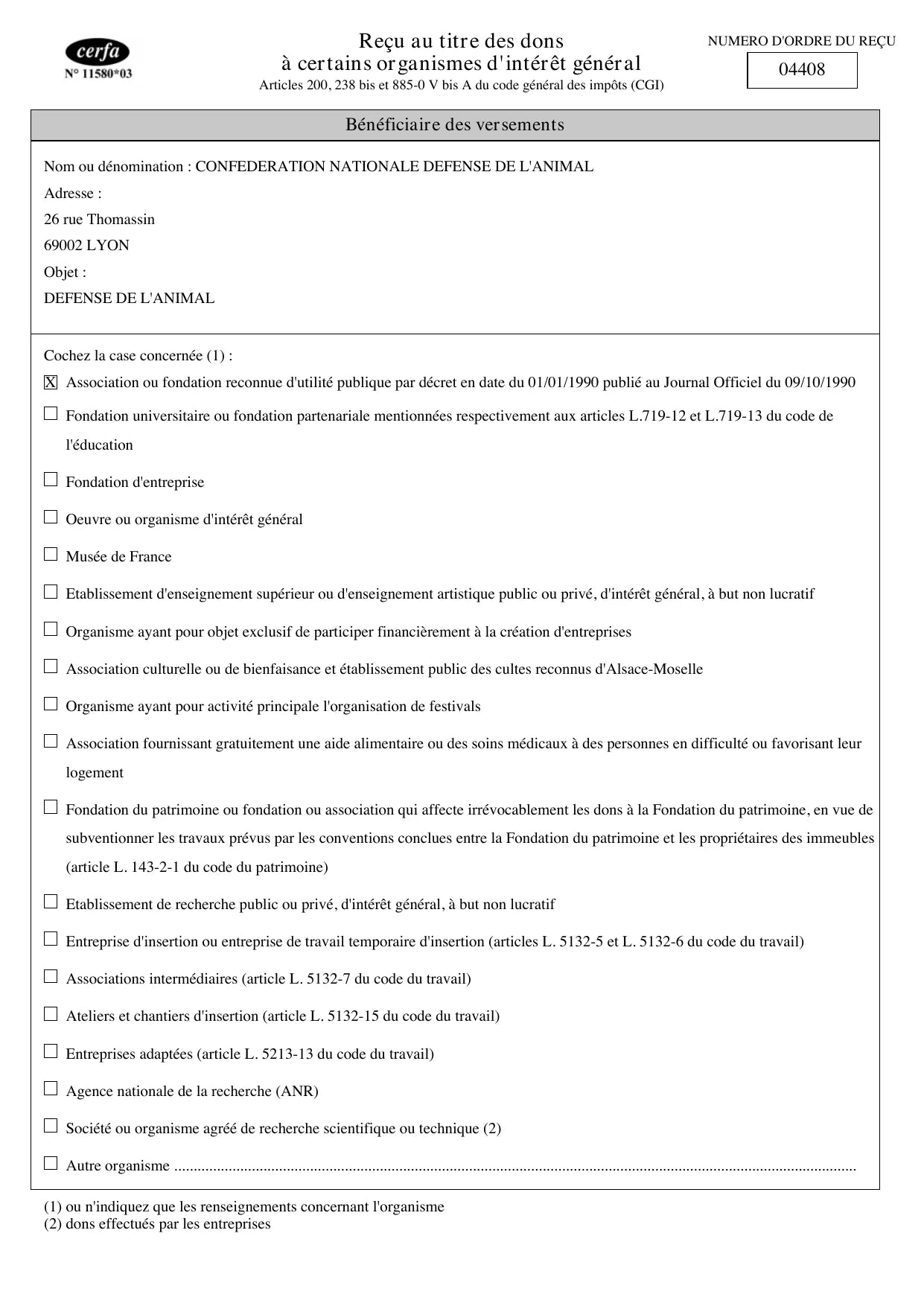
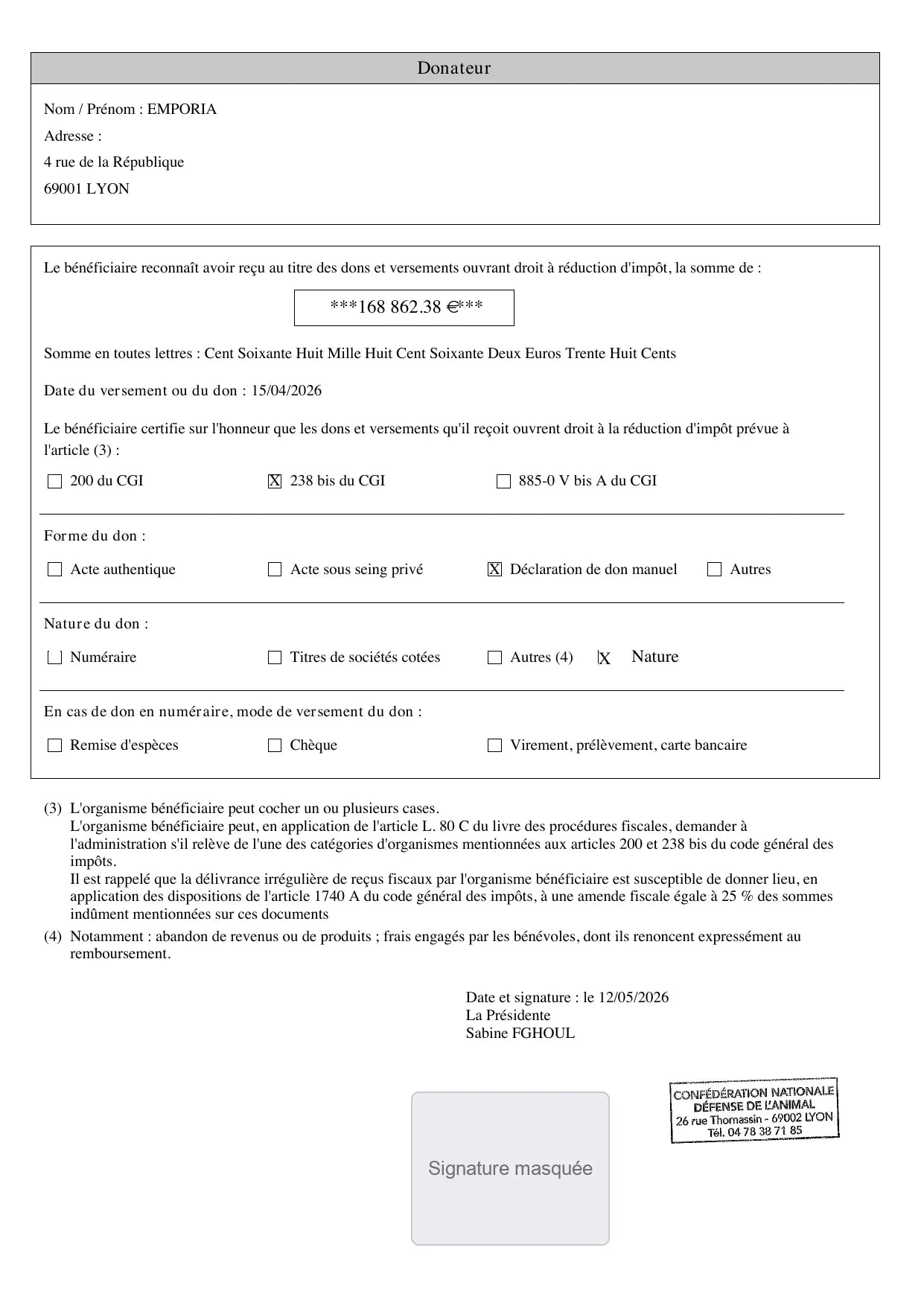
The official receipt for one of our donations
- Charity
- Confédération nationale Défense de l'animal (Lyon), a French charity with official public-interest status
- Amount
- €168,862.38 (around £142,000)
- Type of donation
- Gift in kind
- Date of donation
- 15 April 2026
- Donor
- Emporia, the company behind Pacha
This receipt was issued and signed by the charity that received the donation. The only thing we've hidden is its president's signature. Click on a page to enlarge it.
Order your Pacha litter here in 3 steps
Order your Pacha litter
How many cats do you have?
More than 3 cats?Your offer for 1 cat
Choose your plan
Why over 35,000 cat owners trust Pacha
What our customers say
Reviews reflect individual experiences. Does not replace a vet's diagnosis.

Why Pacha is different
Frequently asked questions
Wait...
The 3-month plan means fewer deliveries and zero stress
- Health detection in every bag
- Free delivery
- Cancel anytime online, in 2 minutes
- 30-day refund if not convinced
🔓 No commitment: Cancel or change at any time, online in 2 minutes
Common questions about Pacha
Everything cat parents ask before they switch — the honest answers.
Will my cat take to it without a fuss?
Most cats adopt Pacha from the very first use. There’s no chemical smell, no dust, and the texture is soft under the paws — nothing to spook them.
If your cat is fussy, scoop a small clump of waste from the old tray into the Pacha tray for the first day. The familiar scent tells them this is the toilet and the transition takes a few hours rather than a few days.
Is silica safe — what if my cat licks or ingests a crystal?
Yes. Pacha crystals are silica gel, the same desiccant used to keep food and medication dry. It’s inert, non-toxic, and the occasional crystal that ends up on a paw passes through the digestive system without being absorbed.
Pacha was co-developed with vets and cat owners specifically to be safe for cats of all ages, including kittens.
How does it actually control odours for a whole month?
Silica gel is highly porous and ultra-absorbent. It pulls urine in, locks the moisture inside the crystals, and dries solid waste so it can’t ferment. Without moisture, the bacteria that produce ammonia and the rotten-eggs odour can’t grow.
You scoop solids daily and stir the crystals — that’s the whole maintenance routine.
“Virtually dust-free” — why not zero?
No litter is genuinely 100% dust-free, and any brand claiming otherwise is being economical with the truth. Pacha uses a patented filtration process developed with vets to bring dust to a level so low it’s invisible during pouring — far below clay or traditional clumping litter.
In practice: no white film on the floor, no sneezing from your cat, no respiratory irritation for the household.
Does one bag genuinely last a month?
Yes — one bag of Pacha covers a full month for one cat (active or not). The crystals absorb roughly four times what clay litter holds, which is why a single lightweight bag replaces up to four heavy bags of conventional litter.
For households with two cats, a second bag every month keeps both trays fresh.
Is it more affordable than what I’m using now?
If you tally everything — clumping litter, candles, room sprays, replacement trays — most cat parents end up spending £40–£50 a month. Pacha is £21 a bag, and you stop buying the rest because the smell never builds.
Subscribers who switch to every-3-months delivery save further.
What if my cat hates it?
Pacha’s 30-day satisfaction guarantee means you get a full refund if it doesn’t work for you — and you don’t need to send the bag back. Keep it, use it up, or donate it. This is in addition to your 14-day statutory right to cancel under the Consumer Contracts Regulations 2013.
Is it suitable for all breeds and ages?
Yes. Pacha works for kittens, adults and seniors, neutered or not, male or female, all breeds — Maine Coon, Persian, British Shorthair, Bengal, Ragdoll, Sphynx and every domestic shorthair in between.
How does delivery work — can I pause or change frequency?
Pacha is shipped automatically each month from our Manchester warehouse, free across the UK. You can adjust frequency or pause delivery in two clicks from your account — no commitment, no notice period, no phone call.
Why does the litter change colour?
The crystals shift colour depending on the pH of your cat’s urine. It’s a passive health check — an early signal of possible urinary issues, which cats instinctively try to hide.
It doesn’t replace a vet visit, but it helps you spot when something is changing before the issue becomes serious.
- Choosing a selection results in a full page refresh.
- Opens in a new window.
We use cookies to make the site work and to improve your experience. You’ll find details on each cookie type below.
Cookies marked “necessary” are stored on your browser because they are essential for the site to work.
We use cookies to make the site work and to improve your experience. You’ll find details on each cookie type below.
Cookies marked “necessary” are stored on your browser because they are essential for the site to work.
We also use third-party cookies that help us understand how you use the site, remember your preferences and show you relevant content and ads. These cookies are only stored with your consent.
You can turn each category on or off below. Turning some off may affect how the site works for you.
Necessary cookies are essential for the site to function. Without them, the site won’t work as intended.
These cookies do not store any personally identifiable data.
Functional cookies enable features like social sharing, feedback forms and other third-party integrations.
Analytical cookies help us understand how visitors interact with the site — things like visitor numbers, bounce rate and traffic source.
Performance cookies help us measure how the site performs, so we can keep improving the experience for visitors.
Advertising cookies let us show you relevant ads based on the pages you’ve visited, and measure how well those campaigns perform.
